Grow Smarter Indoors
Today we dive into smart sensors and DIY monitors for tracking indoor plant microclimates, turning invisible fluctuations into clear guidance you can act on. Expect practical builds, calibration tips, and real stories where data rescued drooping leaves. Bring curiosity, a screwdriver, and a willingness to iterate. If this resonates, subscribe, share your questions, and tell us which plants you struggle with most, so we can tailor experiments and walkthroughs that help your unique corner, shelf, or sunny sill thrive.
Understanding Microclimates at Home
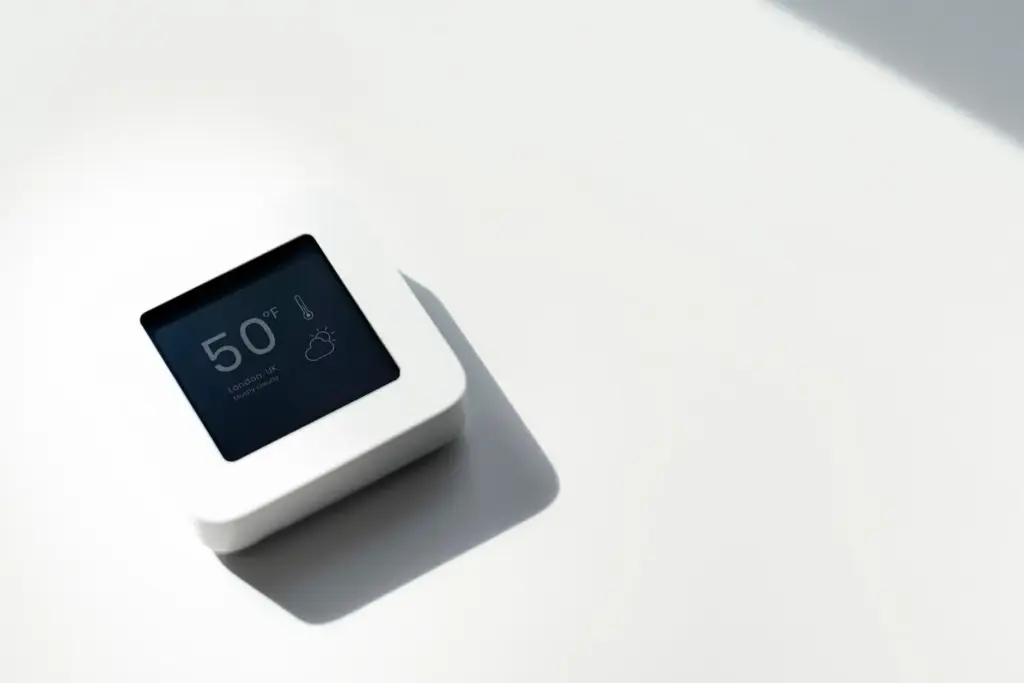
Every room hides tiny worlds: a draft near the window, a warm pocket above the radiator, a humid nook behind a cluster of leaves. Smart sensors reveal these differences so you can place, water, and light intentionally. We once saved a curled Calathea by discovering a night VPD spike from a heater cycle. Map your space, watch the patterns over days, and let evidence guide thoughtful adjustments rather than guesswork or superstition. Share your discoveries and photos to inspire others.

Environmental Sensing Staples
For humidity and temperature, SHT31 or SHT41 offer dependable accuracy, while BME280 is budget friendly and BME680 adds gas sensing for air quality context. Light measurement is easy with BH1750 for simplicity or TSL2591 for wider dynamic range. Soil moisture behaves best with capacitive sensors rather than resistive types, reducing corrosion and noise. Add DS18B20 probes for root-zone temperatures, or SCD41 for CO2 if you’re exploring ventilation effects on growth. Share your preferred modules and sourcing tips.
Microcontrollers and Radios
ESP32 balances power, price, and connectivity, handling Wi‑Fi and Bluetooth with ease and deep sleep for battery longevity. Raspberry Pi Pico W shines for approachable MicroPython builds, while ESP8266 still works for ultra-budget nodes. If you value mesh and low power, consider Zigbee or Thread via dedicated modules that integrate smoothly with hubs. Plan OTA updates and secure credentials storage from day one. Tell us your comfort level with C++, MicroPython, or Arduino IDE, and we’ll tailor examples.
Prototype on the Bench
Wire an ESP32 to a BH1750 for light, an SHT31 for humidity and temperature, and a capacitive soil probe on an analog pin. Use pull-ups where needed and short leads to reduce noise. Flash a minimal sketch that reads values, timestamps with NTP, and prints JSON to serial. Nudge sensor placement, tap the enclosure to test cable resilience, and watch for jitter. Once stable, publish via MQTT. Document pinouts and share a photo so others can confirm your layout.
Make It Durable
Move from breadboard to perfboard or order a small PCB with labeled connectors and mounting holes. Solder carefully, add JST or locking headers, and include strain relief for any external probes. Print an enclosure with ventilation slots and standoffs, then add a drip loop where cables exit. Consider a detachable faceplate for calibration access. Include clear silkscreen text or stickers to avoid miswiring later. Post your STL files and lessons learned so readers can remix and improve.
Thoughtful Firmware
Structure code around reliable cycles: read sensors, validate ranges, median-filter noise, and apply calibration offsets stored in non-volatile memory. Keep Wi‑Fi off until needed, batch messages, and retry gracefully on failure. Provide a captive portal for first-time setup and OTA updates for longevity. Time-sync with NTP, tag units consistently, and log error counts for diagnostics. Publish to MQTT with retained discovery data for Home Assistant. Share your repository, and invite pull requests with plant-focused features.
Data, Dashboards, and Insights
Numbers are only useful when they drive better care. Pipe readings to a local broker, visualize trends, and correlate events like watering or repotting with clear changes in humidity decay curves or soil moisture recovery. Turn light logs into actionable PPFD estimates and compute VPD automatically. Build dashboards that highlight outliers, not just pretty graphs. We’ll show Home Assistant, InfluxDB, and Grafana options. Share screenshots of your favorite panels and ask for feedback on clarity and usefulness.
Local-first Logging
A resilient setup starts at home: sensors publish to Mosquitto via MQTT, a lightweight service writes to SQLite or InfluxDB, and Grafana renders clear timelines without leaking data. Add SD card buffering for outages. Define measurement names and units carefully, and tag locations like “NorthWindow” or “ShelfB”. Nightly backups protect progress. This approach keeps costs down, privacy intact, and latency minimal. Post your docker-compose or add-on configurations so others can clone, adapt, and troubleshoot alongside you.
Careful Cloud Sync
Cloud dashboards can help when traveling, but send only what you need and encrypt everything. Use API keys or tokens, rotate credentials, and throttle updates to stay within free tiers. Adafruit IO, ThingsBoard, or a tiny VPS can host your graphs and alerts. Mirror data rather than rely on one service exclusively. Mask device identifiers and locations. If you try a provider, report uptime, rate limits, and quirks, so the community builds a trustworthy map of options.
Calibration, Accuracy, and Maintenance
Trustworthy readings require gentle rituals: occasional calibration, sensible error budgets, and a simple cleaning routine. Use saturated salt solutions for humidity references, ice-bath and boiling tests for temperature, and gravimetric weighing for soil moisture truth. Track offsets in firmware, label dates on enclosures, and set recurring reminders. Plan for sensor drift and keep spares when budgets allow. Post your calibration photos and results; comparing notes helps everyone refine techniques and avoid misleading data that harms plants.

Automation and Alerts for Happier Leaves
Once data becomes dependable, let it assist care with gentle automation. Smart plugs can govern humidifiers, fans, and lights while respecting quiet hours and safety. Use hysteresis to avoid rapid toggling, and craft plant-specific profiles that respect seasonal sunlight. Start with conservative nudges and review outcomes weekly. We’ll show sample rules you can copy. Post your favorite automations and alert messages, and we’ll help refine wording, thresholds, and escalation to reduce noise and improve timely, helpful interventions.