Breathe Easy: Moisture Magic for Tropical Houseplants

Today we’re diving into Humidity Hacks: Creating Moisture Zones for Tropical Houseplants, sharing practical, science-backed ways to raise ambient moisture where it counts. Discover how microclimates protect finicky foliage, why relative humidity matters, and how small adjustments transform crispy edges into lush, glossy growth. Bring questions, share your wins, and let’s build a thriving indoor jungle with strategies you can try tonight.

Understanding Leaf Thirst and the Air Around Them

Tropical leaves breathe with every pore, releasing vapor while begging the air to give some back. When relative humidity lags, tips brown, edges curl, and growth slows. Learn how vapor pressure differences drive moisture exchange, why many tropicals prefer 50–80% humidity, and how a simple hygrometer reveals the invisible climate your plants experience. With knowledge, you’ll correct conditions before damage appears.

Reading the Signals

Crispy margins, curling or cupping leaves, stalled new growth, spider mites multiplying, and that frustrating gap between watering and wilting often point to dry air rather than dry soil. Observe sheen loss and noisy leaves that rustle like paper. Track changes after showers, kettles, or rainy weather. Pattern recognition turns guesswork into confident care, helping you respond faster and avoid compounding stress.

Tools That Tell the Truth

A digital hygrometer is a plant lover’s compass, revealing daytime dips, nighttime rises, and spikes after watering or cooking. Place it at leaf height, not the floor, and rotate locations weekly. Data loggers expose patterns; simple analog units can lag. Pair readings with leaf behavior, then set goals. Numbers grounded in observation make decisions clear, preventing costly overwatering or panicked repotting.

Choosing Candidates for Extra Moisture

Calatheas, marantas, ferns, prayer plants, anthuriums, many orchids, velvet-leaf philodendrons, and juvenile monsteras often glow with higher humidity. Thick, succulent leaves may tolerate less, though they still appreciate consistency. Sort your collection by sensitivity, grouping needy foliage where microclimates concentrate moisture. This triage approach saves time and boosts success, ensuring the most dramatic results appear exactly where leaves demand gentle, protective air.

Crafting Microclimates That Follow Your Plants

Instead of humidifying your whole home, shape pockets of generous moisture around specific shelves, tables, or corners. Use clustering, water surfaces, and barriers to slow air movement just enough. Think of air like a river you can redirect, creating calm eddies where leaves relax. Thoughtful placement, height awareness, and simple materials build oases that feel purposeful, tidy, and easy to maintain long-term.

The Grouping Effect

Plants exhale humidity with every breath, so clustering magnifies comfort. Arrange foliage with similar needs shoulder to shoulder, leaving small gaps for airflow. A single hygrometer often shows increases of five to ten percent within a week. Rotating positions keeps growth balanced, while staggered heights capture rising moisture. Grouping also simplifies routines, letting you mist, monitor, and adjust a single zone efficiently.

Pebble Trays Done Properly

Use a shallow tray, fill with rinsed stones, and add water just below pot bottoms. The goal is evaporation, not soaking roots. Wider trays beat deeper trays by offering more surface area. Refresh weekly to prevent mineral crust and algae, and use distilled or filtered water if your tap leaves white residue. Combine trays beneath grouped plants for compound benefits without constant intervention.

Gentle Barriers and Tents

Clear acrylic panels, bookends, or lightweight shelving sides slow drafts and hold moisture where leaves live, while still allowing air exchange. For delicate ferns or seedlings, vented humidity domes or zipper mini-greenhouses work wonders when opened daily. Always prioritize airflow to prevent fungus, and wipe condensation before night. Thoughtful barriers create cozy stillness without trapping heat, delivering stable humidity that feels naturally supportive.

Humidifiers Without Headaches
When grouping and trays aren’t enough, bring in a humidifier to lift humidity precisely. Choose models sized for your nook, and set target ranges rather than blasting blindly. Distilled water prevents dust on leaves and furniture. Cleaning becomes nonnegotiable: scale and biofilm can sabotage plants and lungs. With a schedule and a simple checklist, you’ll keep moisture steady, safe, and beautifully predictable.

Rooms That Work Harder: Kitchens, Baths, and Bright Corners

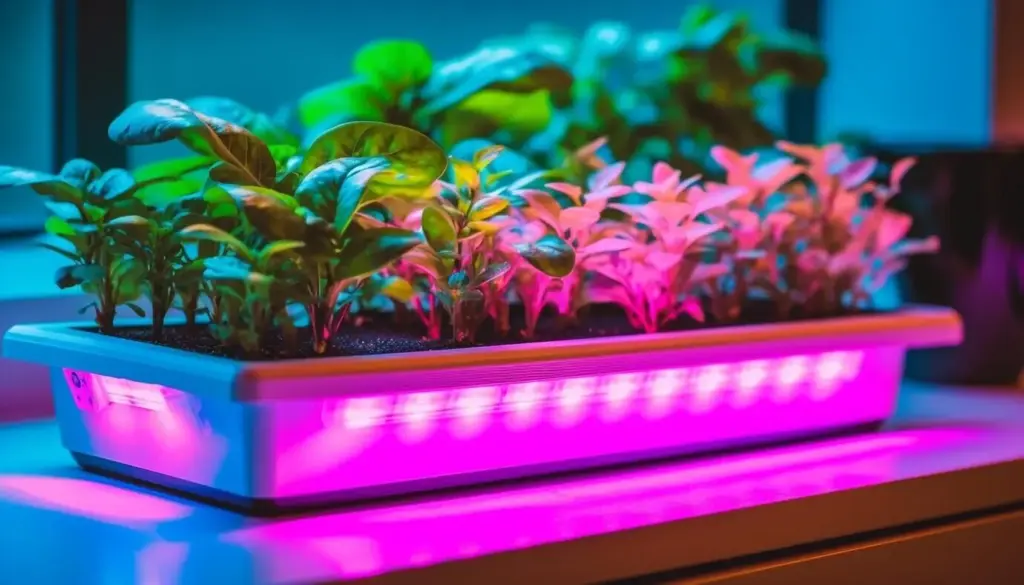
Some spaces naturally deliver steam and warmth, and with mindful tweaks they become perfect sanctuaries for humidity lovers. Bathrooms offer post-shower surges; kitchens provide gentle boosts during simmering. Balance moisture with light, airflow, and cleanliness. Shift plants seasonally as habits change, add supplemental LEDs where windows fall short, and watch delicate foliage rebound. Strategic placement turns everyday routines into microclimate magic without extra effort.

Moist Air, Not Wet Roots

Humidity boosts do not license soggy soil. Separate aerial comfort from substrate saturation by using airy mixes, measured watering, and constant airflow. Roots crave oxygen; leaves crave vapor. Combine barky mediums, breathable pots, and morning routines that dry by night. Balance is an art: generous humidity above, firm drainage below. Master this contrast, and you’ll witness resilient plants that push confident, uninterrupted growth.

Seasons, Surprises, and Swift Fixes

Winter Survival Plan

Place hygrometers where plants actually live, not across the room. Add a humidifier near, not under, foliage; combine with pebble trays and grouping to reach stable targets. Seal drafts, lift plants off cold sills, and boost light to support metabolism. Expect slower growth, water less frequently, and celebrate subtle wins like steady leaves. Small, consistent habits beat dramatic interventions through the darkest months.

Summer Cool, Still Moist

Air conditioning often dries indoor air, even while outdoor humidity soars. Keep plants out of direct cold airflow, add wide trays for evaporation, and aim humidifiers across the room to mix gently. Morning misting can help if airflow dries surfaces quickly. Watch for sun intensity near windows and shift delicate leaves back a step. Your goal is comfort, not condensation, during long, bright days.

When Things Go Wrong

Disentangle overwatering from dry-air stress: limp, wet-soil leaves indicate root trouble, while crisp, textured browning points to low humidity. Spider mites love arid rooms; increase moisture and airflow while treating promptly. Trim damage, adjust microclimate, and reassess weekly. Keep notes, celebrate rebounds, and share photos or questions to crowdsource insight. Swift, gentle corrections turn crises into learning moments that strengthen your collection.
Mikurezefaxemamimofimo
Privacy Overview

This website uses cookies so that we can provide you with the best user experience possible. Cookie information is stored in your browser and performs functions such as recognising you when you return to our website and helping our team to understand which sections of the website you find most interesting and useful.